


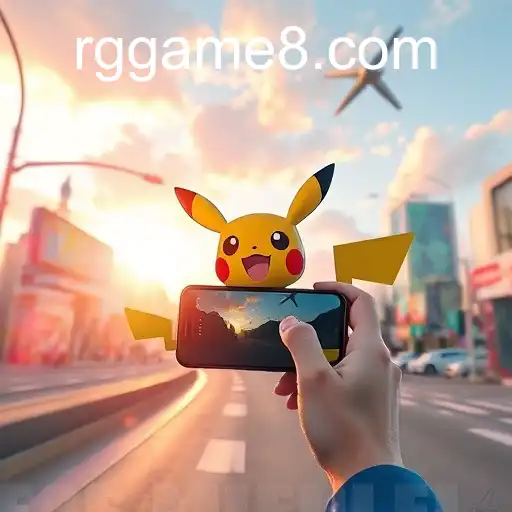
Exploring the integration of augmented reality in the gaming industry and its impact on players and developers.
In the ever-evolving world of gaming, one trend that is making significant waves is the integration of Augmented Reality (AR). Augmented Reality is transforming how players interact with games, offering a more immersive experience that blends the virtual world with the real one. This technological advancement is not only revolutionizing gameplay but also re-defining how developers approach game design.
Over the past few years, games utilizing AR technology have grown in popularity, marking a shift in consumer expectations. Players are no longer satisfied with traditional screen-bound gaming experiences; they desire more interactive and immersive experiences. This has driven game developers to innovate and create new interactive dynamics that engage users in their actual environments. The popularity of games like 'Pokémon GO' demonstrated the vast potential of AR in gaming, and recent advancements are only enhancing this potential.
RG game websites, such as those promoting these AR experiences, have become prominent platforms for gamers seeking the latest trends in digital entertainment. They provide access to the latest AR games, offering community reviews, updates, and forums where users can discuss game strategies and experiences.
Game developers are also benefiting from AR technology, as it allows them to create unique gaming environments that extend beyond conventional boundaries. Companies are embracing AR's potential by investing in sophisticated tools and technologies that allow for the seamless integration of virtual elements into the player's real-world environment.
However, with the rise of AR gaming, there are concerns about privacy and data security, as these games often require access to personal data and location services. The gaming industry is working to address these issues by establishing guidelines and developing new technologies to protect user data.
As AR continues to evolve, it will be crucial for both developers and players to adapt to the changing dynamics of the industry. The future of AR in gaming holds exciting possibilities, and as technology advances, we can expect even more immersive and interactive experiences that challenge the boundaries of what we currently know as gaming.

